
Global LogisticsBy Amit Shah, Head of Global Logistics
Bulk Micronutrient Fertilizer Export from India: Global Buyer's Guide to 20ft FCL Container Shipping, CIF/FOB Incoterms & Mundra Port Logistics
Published on 2026-10-0216 mins readFCO 1985 & ISO 9001:2015 Verified
Executive Summary & Key Takeaways
A definitive commercial manual for international agricultural chemical importers. Master 20ft FCL container stuffing, CIF vs FOB Incoterms, AAS lab documentation, and Mundra/Kandla maritime routes.
Table of Contents (Jump to Section)
- #11. Global Sourcing Dynamics: Why International Buyers Source from Gujarat
- #22. Incoterms Selection: FOB Mundra vs CIF vs CFR
- #33. Container Payload Geometry: 20ft FCL Stuffing Options
- #44. Marine Moisture Protection: Preventing Container Rain
- #55. Mandatory Export Documentation Package
- #66. Frequently Asked Questions (FAQ)
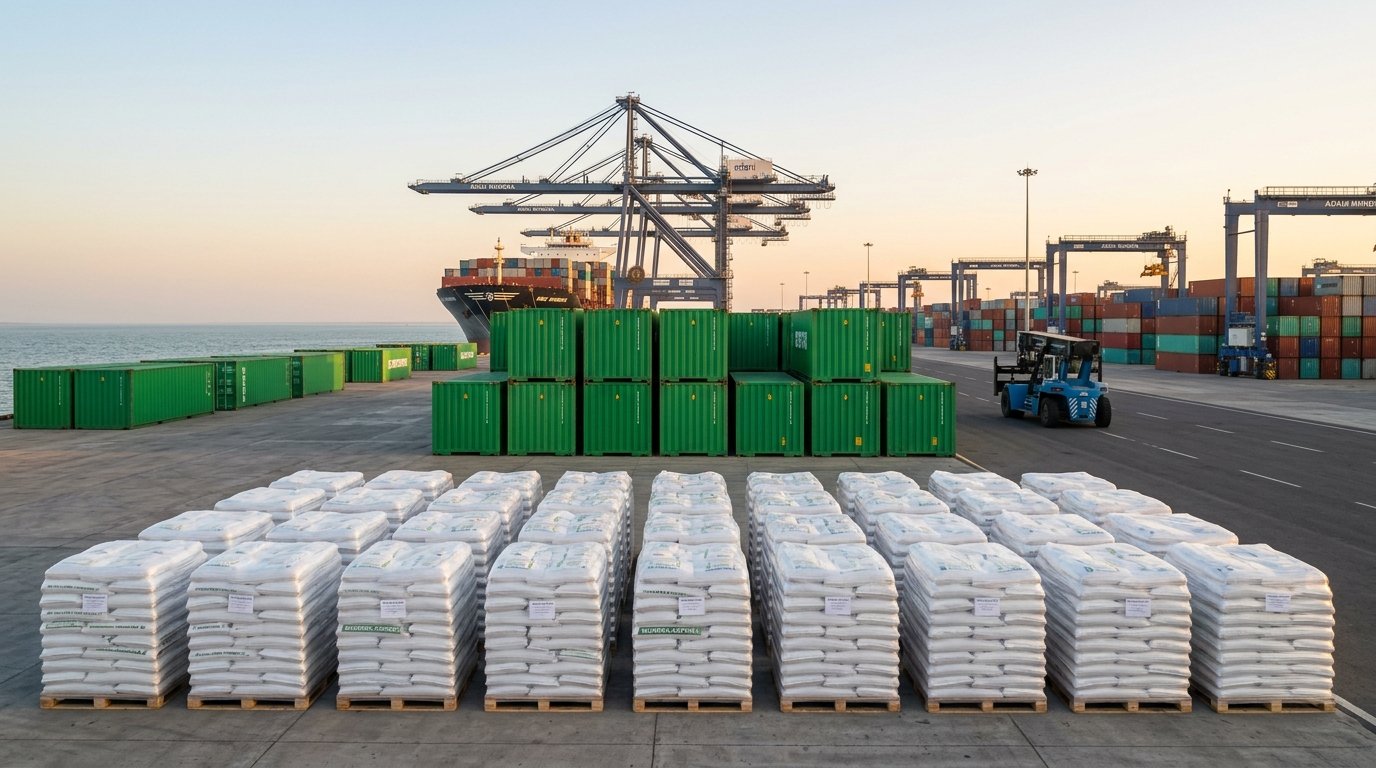
As international agricultural markets expand their crop yield targets, procurement directors and commercial fertilizer distributors in the United States, Brazil, Kenya, the United Arab Emirates, Vietnam, and Australia increasingly source bulk micronutrient salts directly from Gujarat, India. Gujarat manufactures over 65% of India's chemical output, benefiting from automated crystallization technology, low unit production costs, and immediate proximity to India's largest deep-water commercial maritime gateways: Mundra Port and Kandla (Deendayal) Port.
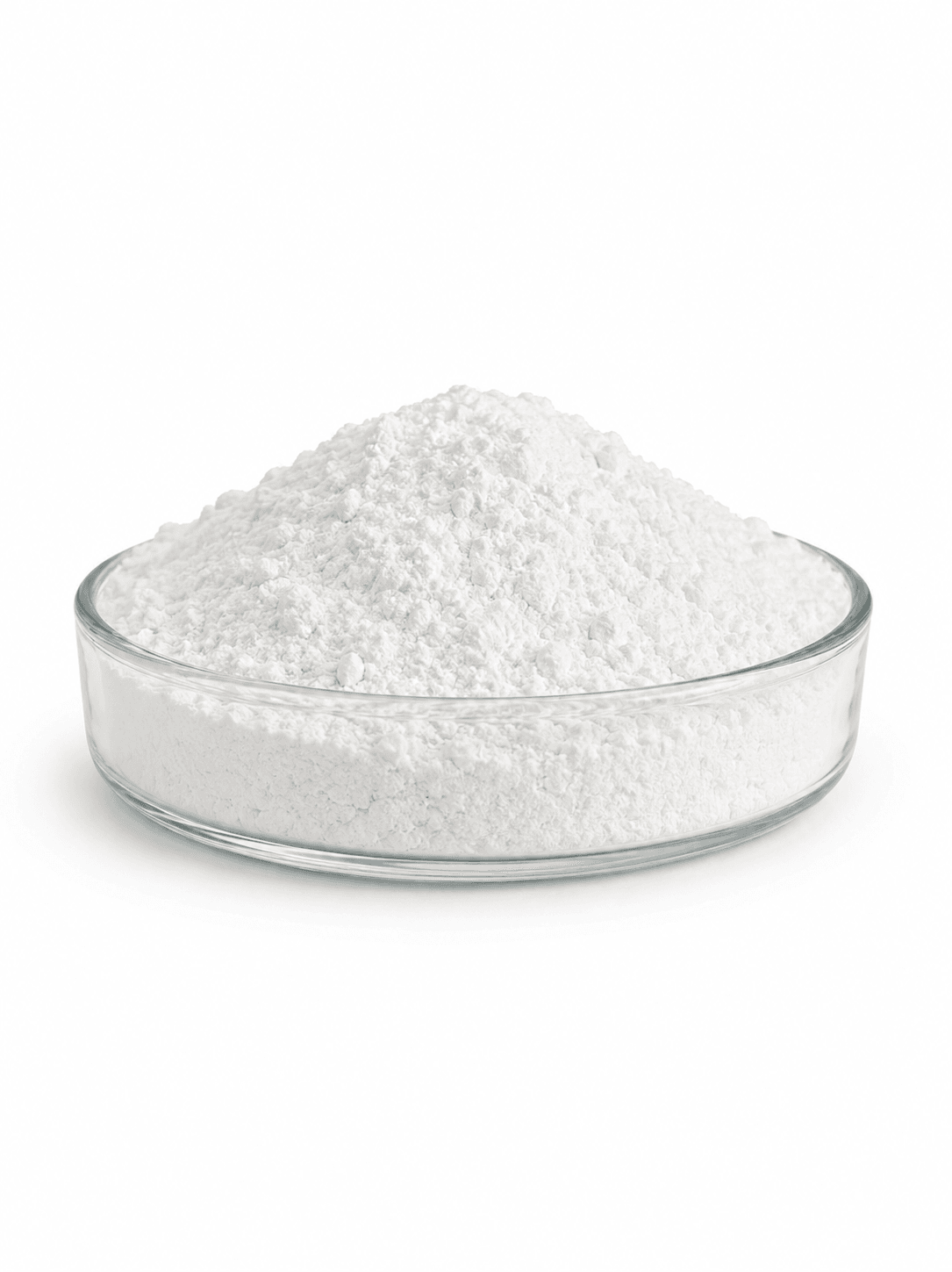
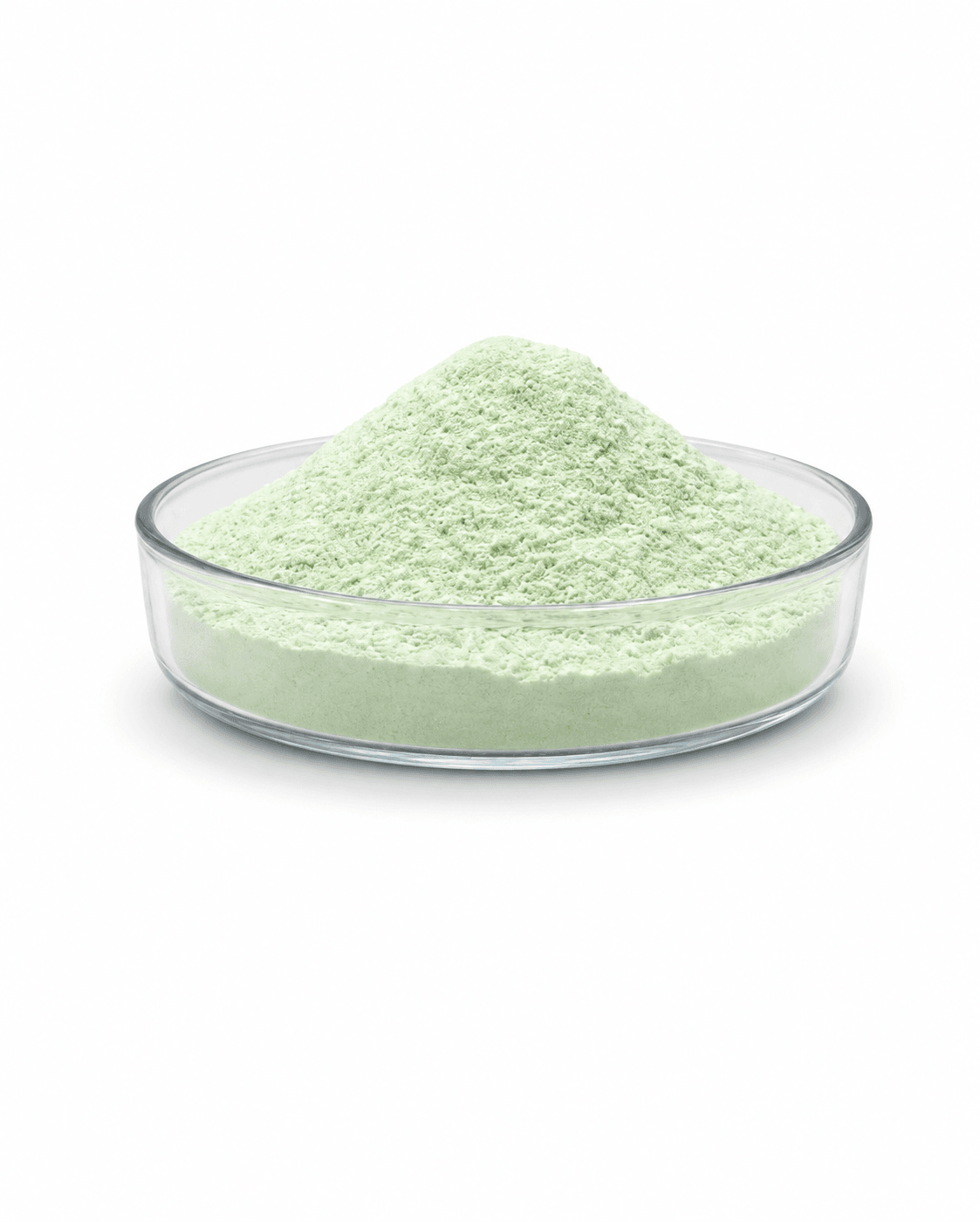
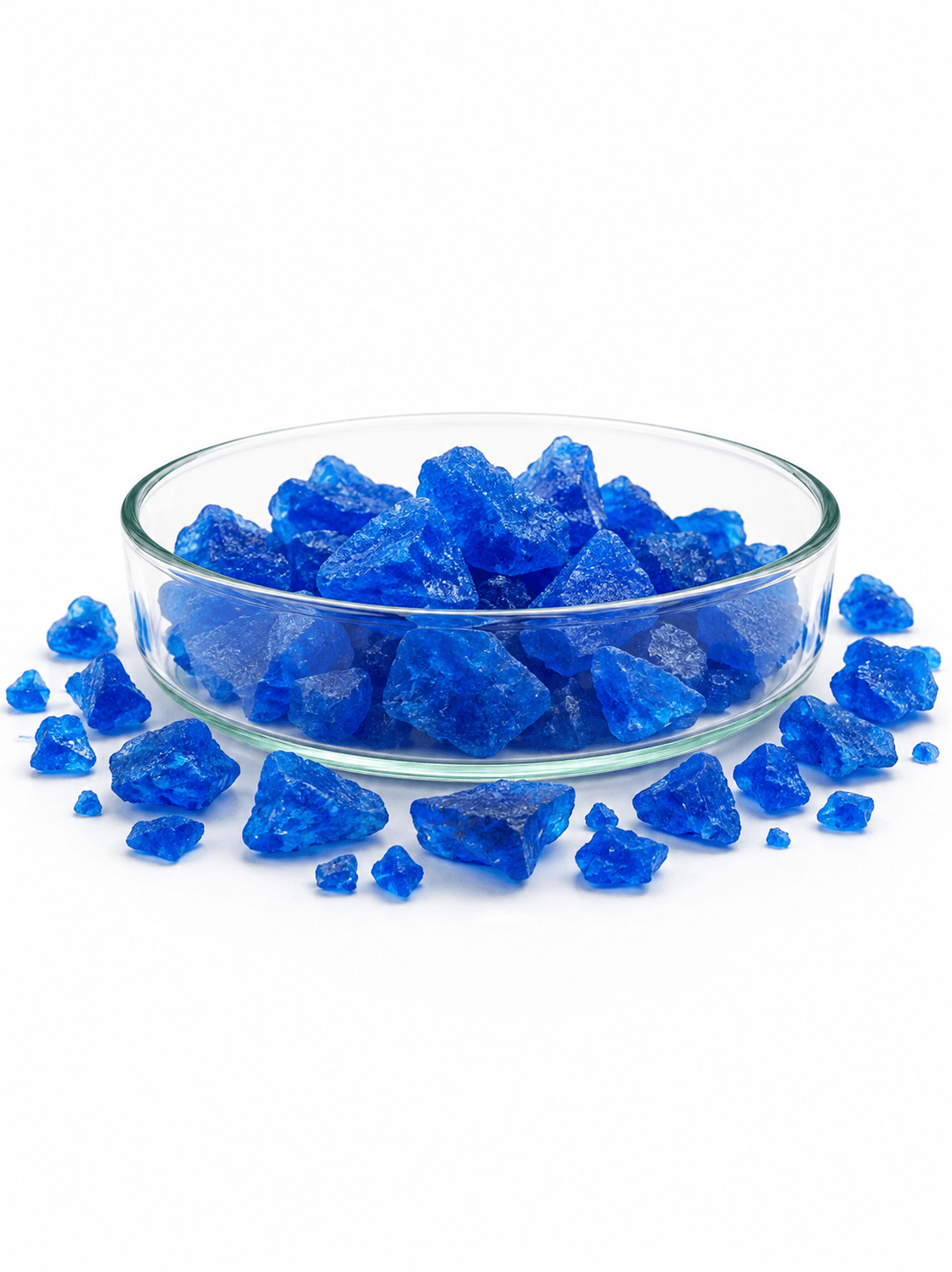
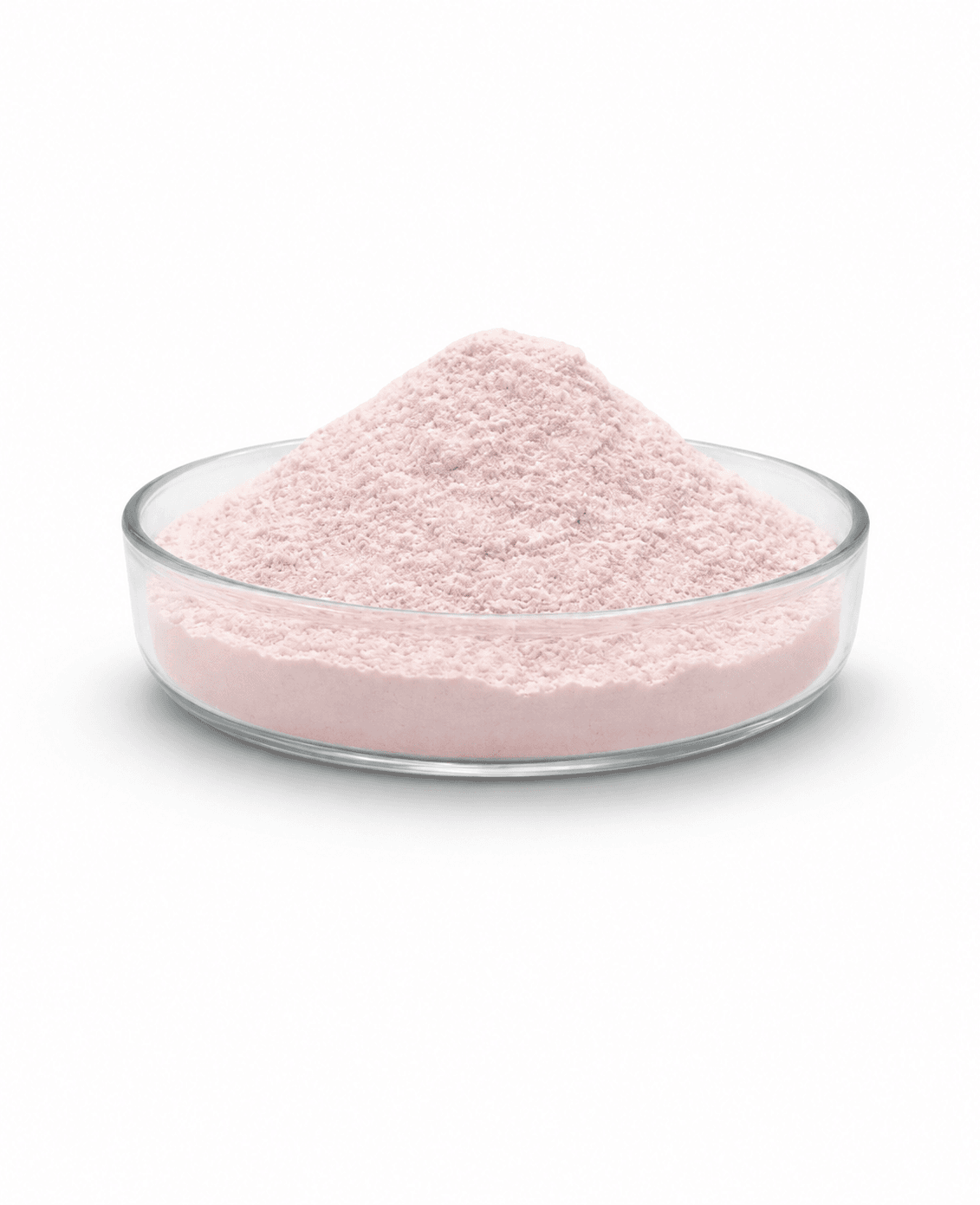
Navigating international ocean freight, maritime regulatory classifications, container payload capacities, and export documentation requires precision execution. This guide provides the complete commercial and logistics blueprint for ordering full container loads (FCL) of Zinc Sulphate Monohydrate 33%, Ferrous Sulphate Heptahydrate 19%, Copper Sulphate Pentahydrate 24%, and Manganese Sulphate 30.5%.
1. Global Sourcing Dynamics: Why International Buyers Source from Gujarat
International chemical traders and compound NPK manufacturers choose Gujarat as their primary manufacturing partner due to distinct structural advantages:- •Direct Deep-Water Port Access: Auron's automated crystallization facility near Ahmedabad connects via multi-lane freight expressways directly to Mundra and Kandla ports. Consignments arrive at the terminal within 24 to 36 hours of factory gate departure, eliminating inland demurrage.
- •High-Assay Feedstock Security: Continuous local access to primary zinc ash, virgin sulfuric acid, and refined copper streams ensures uninterrupted factory production of high-purity salts.
- •Economies of Scale & Price Competitiveness: Indian manufacturing provides competitive production rates compared to European and North American domestic synthesis plants, delivering high-margin advantages to overseas distributors even after accounting for ocean freight.
2. Incoterms Selection: FOB Mundra vs CIF vs CFR
Selecting the appropriate Incoterm (International Commercial Terms 2020) defines risk transfer boundaries, shipping responsibility, and freight payment liabilities:| Incoterm | Auron Factory Responsibility | Overseas Buyer Responsibility | Best Suited For |
|---|---|---|---|
| FOB (Free On Board - Mundra / Kandla) | Factory packing, inland transit, export customs clearance, terminal handling charges (THC), and loading onto buyer's nominated vessel. | Ocean freight contracting, marine insurance, destination import duties, port clearance, and inland trucking. | Large multinational trading houses holding contracted global freight contracts with ocean shipping lines (Maersk, MSC, CMA CGM). |
| CIF (Cost, Insurance & Freight - Destination Port) | All FOB obligations PLUS ocean vessel freight booking and Institute Cargo Clauses (A) marine cargo insurance up to destination port discharge. | Destination port clearance charges, import customs duties, and destination inland delivery. | Regional distributors and national agricultural cooperatives seeking guaranteed landed costs at Santos, Jebel Ali, Mombasa, or Rotterdam. |
| CFR (Cost and Freight - Destination Port) | Same as CIF, but marine transit insurance is arranged separately by the buyer's domestic underwriter. | Destination port clearance, domestic duties, and local marine cargo insurance policy. | Importers with mandatory domestic insurance legislation (e.g., specific African and Latin American jurisdictions). |
3. Container Payload Geometry: 20ft FCL Stuffing Options
Ocean shipping rates for dry bulk chemical salts are calculated per container box rather than per metric ton. Optimizing payload density directly reduces landed freight cost per kilogram:| Packaging Configuration | Bag Specifications | 20ft FCL Capacity (No Pallets) | 20ft FCL Capacity (With ISPM-15 Pallets) | Advantage & Application |
|---|---|---|---|---|
| 25 kg HDPE Export Bags | Multi-ply woven polypropylene with 50-micron heat-sealed inner polyethylene liner. | 26.0 to 27.0 Metric Tons (1,040–1,080 bags floor loaded) | 20.0 to 22.0 Metric Tons (800–880 bags on 20 pallets) | Optimal for retail dealer distribution and farm gate sales. Palletized format enables rapid forklift container destuffing in under 45 minutes. |
| 50 kg Commercial Bags | Heavy-duty woven PP bag with ultraviolet (UV) stabilization. | 26.5 to 27.5 Metric Tons (530–550 bags floor loaded) | 21.0 to 22.5 Metric Tons (420–450 bags on 20 pallets) | Industry standard for compound NPK fertilizer granulation plants and large commercial estates. |
| 1,000 kg (1 MT) Jumbo FIBC Bags | Circular woven polypropylene with 4 heavy-duty lifting corner loops and bottom discharge spout. | 20.0 to 24.0 Metric Tons (20 to 24 big bags) | 20.0 to 22.0 Metric Tons (Single stacked on skid pallets) | Maximizes pneumatic intake efficiency in mechanized bulk blending plants and animal feed mills. |
4. Marine Moisture Protection: Preventing Container Rain
Ocean freight voyages crossing the equator or moving from warm tropical departure ports to cool temperate destinations experience extreme day-to-night temperature fluctuations inside sealed steel containers. When air inside the container cools below its dew point, water vapor condenses on the container ceiling and drops onto the cargo—a phenomenon known as Container Rain. Auron implements a multi-layered cargo defense protocol on every export shipment:- •Hermetically Sealed Inner Liners: Every bag features a continuous poly liner sealed with industrial heat bars, preventing ambient air exchange.
- •High-Capacity Desiccant Poles: We hang 4 to 6 calcium chloride (CaCl2) desiccant poles along the interior walls of every 20ft FCL container. These industrial desiccants absorb over 300% of their dry weight in water vapor, permanently trapping moisture as an inert gel.
- •Kraft Paper Floor & Wall Lining: Container floors and walls are lined with multi-ply Kraft paper barriers to protect bags against steel corrosion or abrasive container wall contact.
5. Mandatory Export Documentation Package
Every export container cleared through Indian Customs and dispatched through Mundra or Kandla is accompanied by a comprehensive documentation portfolio delivered digitally within 48 hours of vessel sailing: 1. Commercial Invoice & Packing List: Detailing exact gross, tare, and net weights, batch numbers, and HS Tariff codes. 2. Certificate of Origin (COO): Issued by authorized Chambers of Commerce, enabling importers to claim preferential tariff treatments under bilateral trade pacts. 3. Certificate of Analysis (COA): Batch-specific analytical sheet verified through in-house Atomic Absorption Spectroscopy (AAS), confirming active elemental assay and trace heavy metal compliance (Pb < 10 ppm, Cd < 5 ppm, As < 2 ppm). 4. Phytosanitary Certificate: Issued by Government of India Plant Protection authorities certifying pest-free compliance for agricultural trade. 5. ISPM-15 Heat Treatment Certificate: Certifying that all wooden pallets were subjected to heat treatment (56°C core temperature for 30 minutes) and stamped with the official IPPC wheat seal. 6. Ocean Bill of Lading (Clean On Board B/L): Issued by top-tier shipping lines (Maersk, MSC, Hapag-Lloyd, CMA CGM, ONE).6. Frequently Asked Questions (FAQ)
- •Q: What is the average ocean transit time from Mundra Port to major international destinations?
- •A: Typical ocean transit times from Mundra/Kandla: Jebel Ali (UAE): 4–6 days; Port of Mombasa (Kenya): 12–16 days; Port of Santos (Brazil): 28–34 days; Port of Rotterdam (Europe): 22–26 days; Port of Houston (USA): 32–38 days; Haiphong Port (Vietnam): 14–18 days.
- •Q: What are the payment terms for international bulk fertilizer orders?
- •A: Auron offers flexible international trade terms including Irrevocable Documentary Letter of Credit (L/C at Sight) issued by prime international banks, or Telegraphic Transfer (T/T - 30% advance deposit with balance against copy of shipping documents).
- •Q: Can foreign buyers request pre-shipment inspection by third-party laboratories?
- •A: Yes, we regularly coordinate third-party joint sampling and loading inspection with SGS, Bureau Veritas, Intertek, or Cotecna at our factory prior to container sealing.
Direct Manufacturer SourcingAuron Fertilizers · Ahmedabad, Gujarat
Procure High-Purity Micronutrients Directly from our Factory Desk
Eliminate middleman trader markups. Save 5–8% on bulk truckloads and 20ft FCL export containers with guaranteed AAS assay reports and anti-caking moisture packaging.