Quality AssuranceBy Amit Shah, Head of Global Logistics
Trace Heavy Metal Thresholds in Global Fertilizer Trade: EU Regulation, USDA & FCO Compliance for Zinc & Copper Sulphates
Published on 2026-09-2414 mins readFCO 1985 & ISO 9001:2015 Verified
Executive Summary & Key Takeaways
A chemical quality assurance guide. Compare regulatory heavy metal ceilings (Pb, Cd, As, Hg), Atomic Absorption Spectroscopy protocols, and port quarantine safety.
Table of Contents (Jump to Section)
In international agricultural commodity trade, the chemical purity of secondary nutrients and micronutrient fertilizers is under unprecedented regulatory scrutiny. Agricultural ministries, environmental protection agencies, and organic certification bodies across the European Union, North America, Japan, and Australia enforce legally binding thresholds on toxic heavy metal contaminants—specifically Lead (Pb), Cadmium (Cd), Arsenic (As), Mercury (Hg), and Nickel (Ni).
Because trace minerals applied to agricultural soil are absorbed by food crops and enter the human food chain, non-compliant fertilizer shipments face catastrophic commercial risks: port customs seizure, mandatory container re-exportation, heavy environmental fines, and blacklisting of both importer and supplier. Sourcing chemical salts with certified low heavy metal profiles is the single most critical quality safeguard for global agrochemical procurement executives.
1. Global Regulatory Frameworks: EU vs US vs Indian Standards
Different jurisdictions enforce distinct statutory ceilings based on environmental risk assessments:- •European Union (EU Regulation 2019/1009): The strictest fertilizer regulatory framework in the world. Enforces rigorous limits on cadmium in phosphate and micronutrient fertilizers to prevent bioaccumulation in cereal grains and drinking aquifers.
- •United States (AAPFCO & State Regulations): The Association of American Plant Food Control Officials (AAPFCO) and leading agricultural states (California CDFA, Washington WSDA, Oregon ODA) enforce strict maximum allowable levels (MAL) calculated per pound of active nutrient applied per acre per year.
- •Indian Fertilizer Control Order (FCO 1985 Schedule I): Statutory standards governing all chemical fertilizers manufactured or traded within India, mandating strict maximum parts-per-million limits on toxic impurities.
2. Comprehensive Heavy Metal Limits Comparison Matrix
The following matrix contrasts international statutory thresholds against Auron's guaranteed laboratory analytical ceilings for Zinc Sulphate Monohydrate 33%:| Contaminant Element | Indian FCO Statutory Limit | EU Regulation 2019/1009 CE Mark | US AAPFCO Standard | Auron Certified Batch Guarantee |
|---|---|---|---|---|
| Lead (Pb) | 30.0 ppm max | 200.0 ppm max (dry matter) | 100.0 ppm max | < 8.0 ppm (Ultra-Pure) |
| Cadmium (Cd) | 25.0 ppm max | 20.0 ppm max | 20.0 ppm max | < 3.5 ppm (Well below EU limit) |
| Arsenic (As) | 100.0 ppm max | 40.0 ppm max | 75.0 ppm max | < 2.0 ppm |
| Mercury (Hg) | 5.0 ppm max | 1.0 ppm max | 2.0 ppm max | < 0.1 ppm (Trace undetectable) |
| Nickel (Ni) | N/A | 50.0 ppm max | 50.0 ppm max | < 10.0 ppm |
| Total Insoluble Residue | 1.0% maximum | 0.5% maximum | 0.5% maximum | < 0.12% |
3. The Chemistry of Purification: How Auron Eliminates Heavy Metals
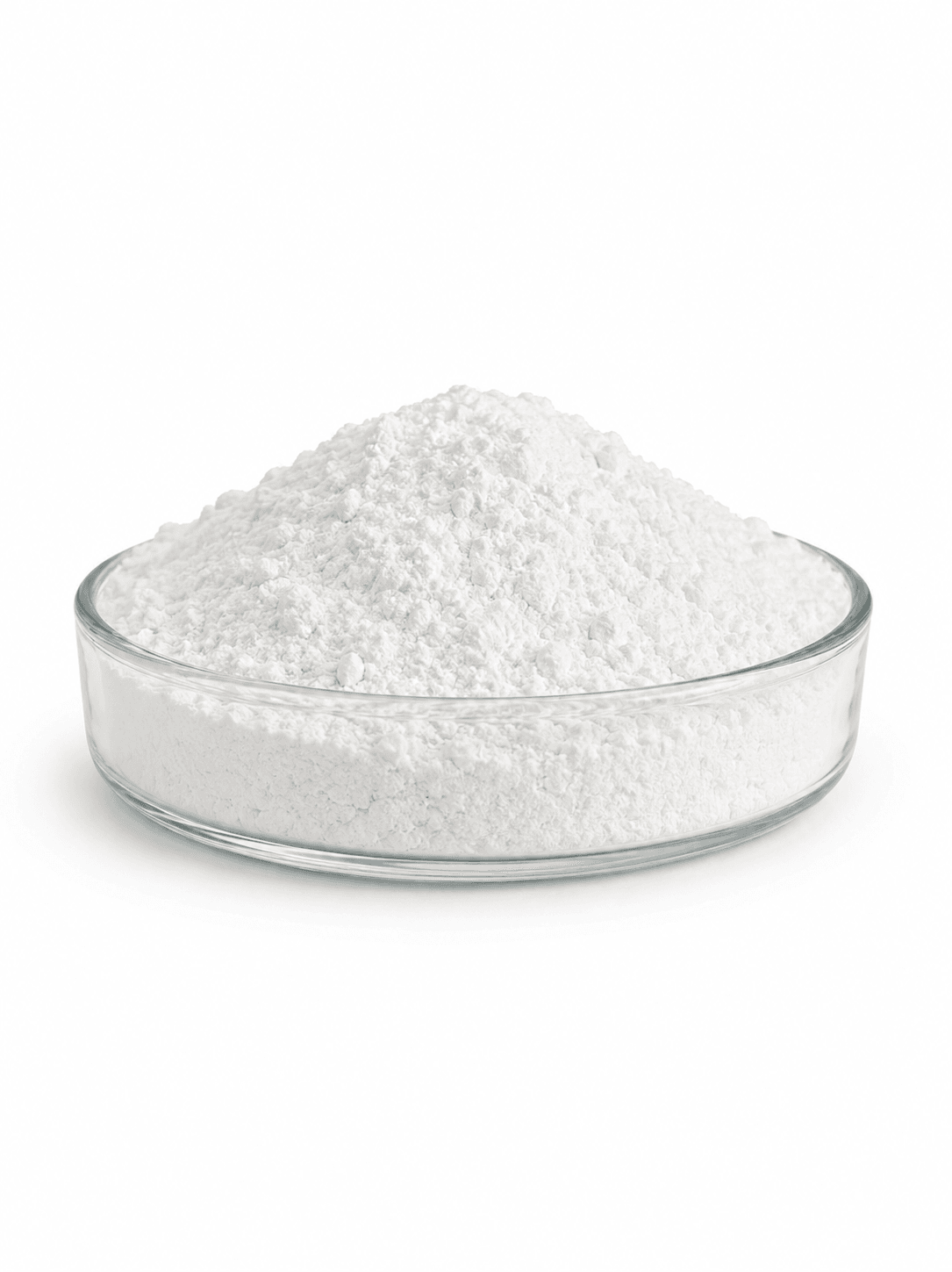
Raw secondary zinc sources (zinc ash, dross, skimmings) naturally contain variable concentrations of associated toxic elements like lead and cadmium. Low-tier manufacturers produce crude agricultural salts by merely dissolving raw ash in sulfuric acid without chemical purification, resulting in dark, dirty crystals loaded with toxic residues. Auron utilizes a proprietary multi-stage chemical precipitation and refining process: 1. Acid Leaching & Digestion: Raw zinc feedstocks are digested in concentrated sulfuric acid at 85°C to convert all metals into soluble sulphates: `ZnO + H2SO4 → ZnSO4 + H2O`. 2. Oxidation & Iron Precipitation: Addition of precise oxidizing agents precipitates iron as insoluble ferric hydroxide [Fe(OH)3], which co-precipitates and traps dissolved arsenic. 3. Cementation Displacement (Cadmium & Lead Removal): High-surface-area virgin zinc dust is introduced into the clarified pregnant liquor. Because zinc has a higher oxidation potential than lead and cadmium, an electrochemical cementation reaction occurs: - `Zn0 + Pb2+ → Zn2+ + Pb0 ↓` - `Zn0 + Cd2+ → Zn2+ + Cd0 ↓` Elemental lead and cadmium precipitate out of solution as dense black metallic sponge and are filtered out via multi-plate filter presses. 4. Vacuum Cooling Crystallization: The ultra-pure, crystal-clear zinc sulphate liquor is transferred to vacuum crystallizers where temperature drop triggers the growth of pure snow-white zinc sulphate monohydrate crystals with zero lattice contamination.4. Analytical Verification: AAS vs ICP-MS Lab Protocols
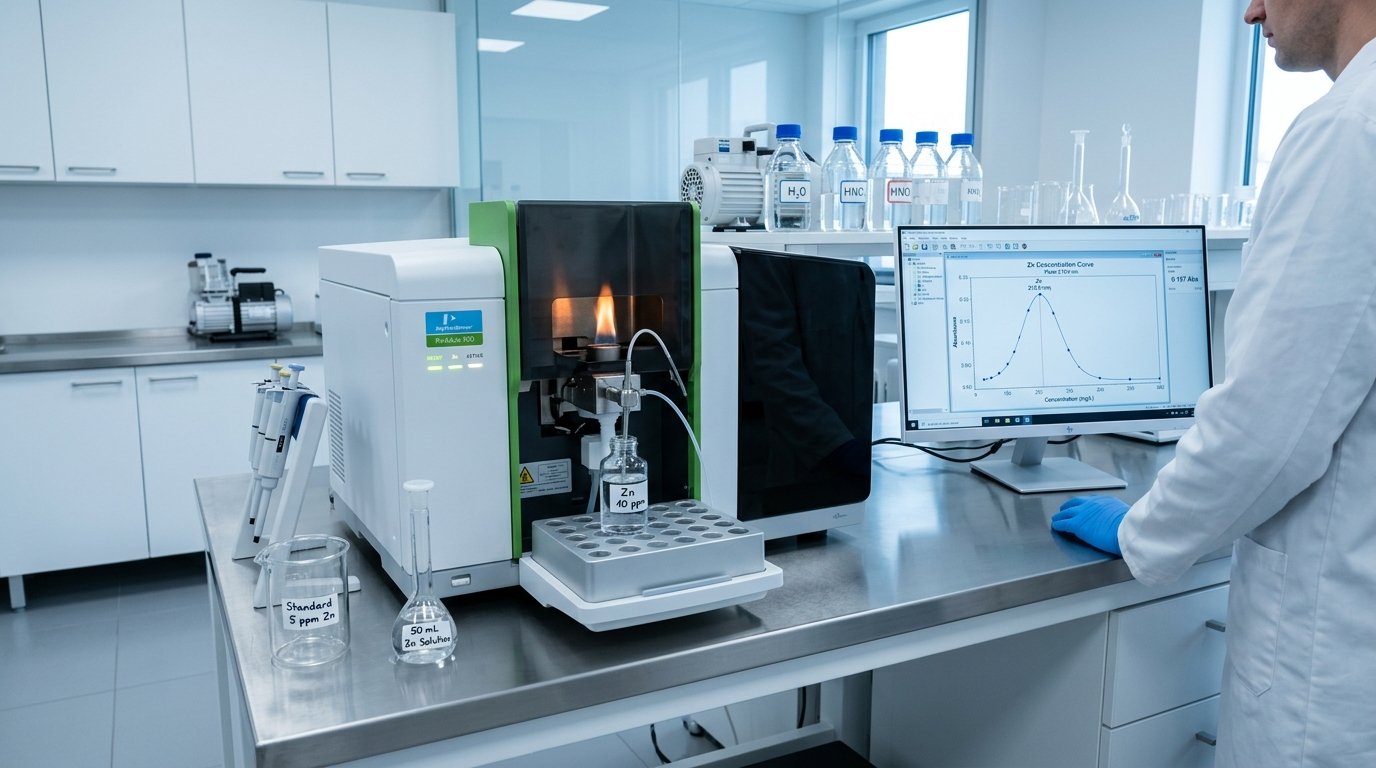
Every production batch manufactured at Auron undergoes rigorous testing in our in-house analytical testing center:- •Atomic Absorption Spectrophotometry (AAS): Utilizing hollow cathode lamps calibrated to the unique spectral absorption resonance lines of Lead (283.3 nm), Cadmium (228.8 nm), and Arsenic (193.7 nm). Delivers parts-per-billion (ppb) measurement accuracy.
- •Third-Party Verification: To provide total transparency for international letters of credit (L/C), composite samples from every export container can be independently analyzed and certified by SGS, Bureau Veritas, or Intertek prior to maritime dispatch.
5. Frequently Asked Questions (FAQ)
- •Q: Does Auron provide REACH registration for shipments entering the European Union?
- •A: Yes, our chemical grades comply with European REACH chemical safety and registration standards, ensuring unrestricted entry and customs clearance across all EU member ports.
- •Q: What is the commercial consequence if a fertilizer container exceeds heavy metal limits at import customs?
- •A: Customs authorities issue an immediate quarantine stop. The importer must pay high daily demurrage fees and either re-export the container at massive financial loss or pay for hazardous industrial destruction under environmental supervision.
Direct Manufacturer SourcingAuron Fertilizers · Ahmedabad, Gujarat
Procure High-Purity Micronutrients Directly from our Factory Desk
Eliminate middleman trader markups. Save 5–8% on bulk truckloads and 20ft FCL export containers with guaranteed AAS assay reports and anti-caking moisture packaging.